Understanding Single-Origin Coffee
Definition and Characteristics
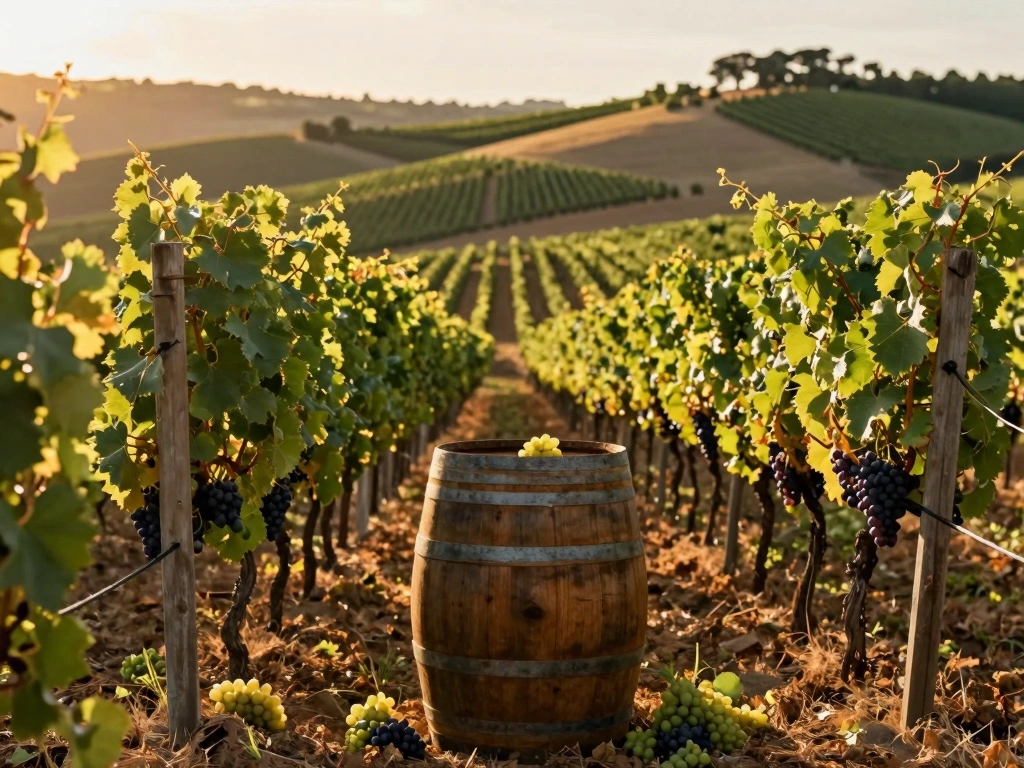
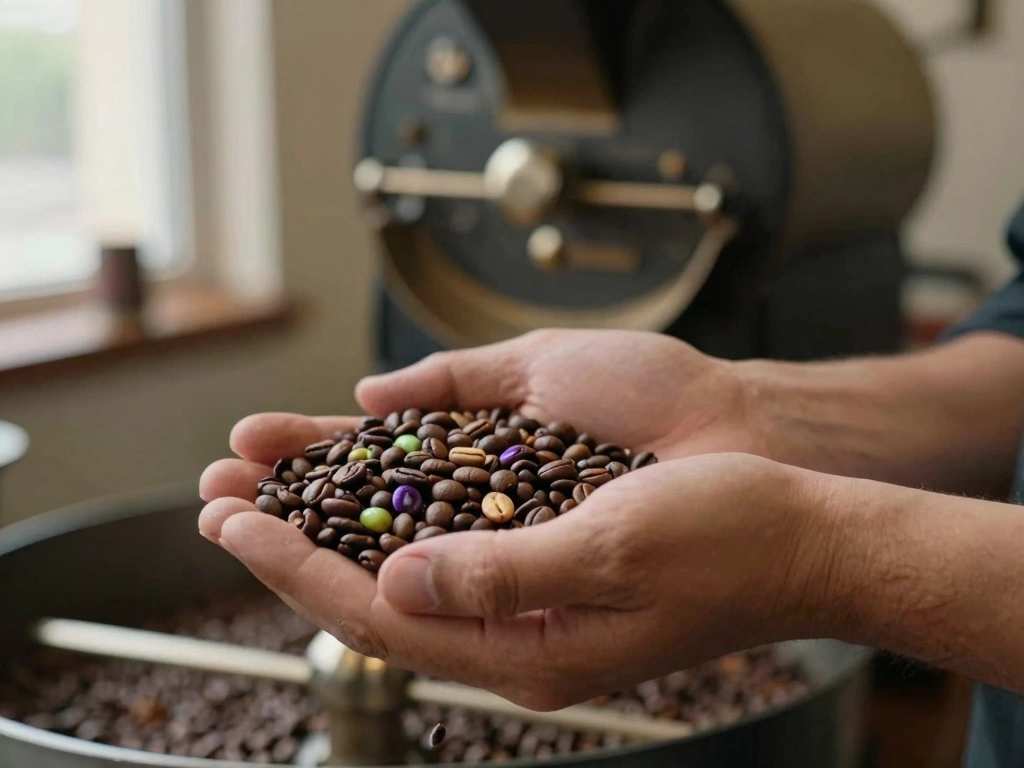
Single-origin coffee refers to beans sourced from one specific location, be it a single farm, a cooperative, or a specific region within a country. This categorization allows consumers to experience the unique flavors and characteristics that the particular terroir (the environmental conditions and farming practices) imparts to the beans. Unlike blends, which combine beans from various origins to achieve a consistent flavor profile, single-origin coffees celebrate the distinctiveness of their source.
Characteristics often highlighted in single-origin coffees include the following:
- Flavor Complexity: Each origin has signature flavor notes influenced by altitude, climate, and soil composition.
- Aromatic Profile: The aroma can range from fruity and floral to earthy and spicy, varying widely between different regions.
- Acidity Levels: Single-origin coffees often exhibit unique acidity profiles, which can be bright, smooth, or even wine-like depending on the origin.
Importance in Specialty Coffee
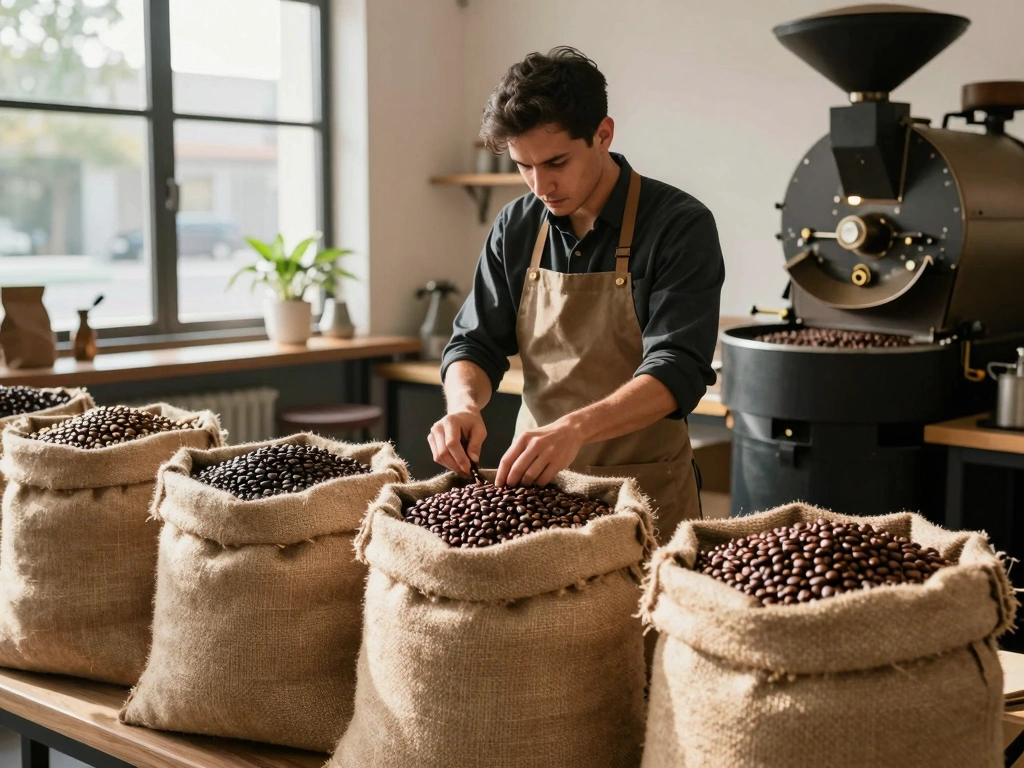
In the specialty coffee industry, sourcing single-origin beans is crucial as it aligns with the ethos of quality, traceability, and transparency. Specialty coffee roasters prioritize these beans to offer consumers a narrative and a deeper connection to their coffee. The Specialty Coffee Association defines specialty coffee as a grade of coffee that scores 80 points or above on a 100-point scale, emphasizing the importance of quality and uniqueness.
Moreover, focusing on single-origin coffee enables roasters to highlight the stories of individual farmers and regions, fostering a greater appreciation for the craftsmanship involved in coffee production. This connection enhances the overall consumer experience, elevating coffee from a mere beverage to a sensory journey.
Flavor Profiles and Terroir
The flavor profiles of single-origin coffees are deeply influenced by their terroir — a term that encompasses the geographical, climatic, and cultural factors affecting the cultivation of coffee. For instance:
- Ethiopian Coffees: Often exhibit bright acidity with floral and fruity notes, thanks to the country’s diverse climates and heirloom varietals.
- Colombian Coffees: Renowned for their smooth, well-balanced flavors, Colombian beans typically possess a medium body with hints of caramel and nut.
- Sumatra Coffees: Known for their earthy, bold flavors and low acidity, these beans thrive in Indonesia's humid, tropical climate.
By understanding these flavor profiles, specialty coffee roasters can carefully select single-origin beans that align with their brand and customer preferences.
Direct Trade vs. Traditional Importing
Benefits of Direct Trade Relationships
Direct trade is a sourcing model that allows specialty coffee roasters to purchase beans directly from farmers, bypassing traditional importers. This approach offers several advantages:
- Higher Quality Control: By establishing direct relationships, roasters can ensure that the beans meet their quality standards right from the source.
- Fair Compensation: Direct trade often results in better prices for farmers, as it eliminates intermediaries who take a cut of the profits. This model can lead to more sustainable farming practices and community development.
- Transparency: Roasters can share the story of the farmers and regions their coffees come from, which resonates with consumers seeking authenticity in their coffee choices.
Challenges in Sourcing Directly
Despite its benefits, direct trade is not without challenges. Some of these include:
- Logistical Difficulties: Establishing direct trade relationships requires time and resources, including travel to remote regions, which can be costly.
- Market Fluctuations: Farmers may face risks related to price volatility in the coffee market, making it challenging to maintain consistent quality and supply.
- Quality Variability: Not all farmers have access to the same resources or knowledge about cultivating high-quality beans, which can lead to inconsistencies in the final product.
Comparative Analysis of Importing Models
Traditional importing involves sourcing coffee through brokers or importers, who handle logistics and quality control. This model offers some distinct advantages:
- Established Supply Chains: Importers often have established relationships with various producers, providing a wider selection of coffees from multiple regions.
- Quality Assurance: Many importers have rigorous quality control systems in place, which can help ensure a consistent product.
- Reduced Risk: By sourcing through importers, roasters can mitigate risks associated with fluctuating prices and supply chain disruptions.
However, this model may lack the transparency and farmer support that direct trade offers. Specialty coffee roasters must weigh these factors when deciding how to source their beans.
Building Relationships with Coffee Farmers
Establishing Trust and Transparency
Developing strong relationships with coffee farmers is vital for specialty coffee roasters. Trust and transparency are key components, as they create a foundation for long-term partnerships. Roasters who invest time in visiting farms and understanding farmers' needs can foster mutual respect and collaboration.
For instance, many roasters engage in annual visits to the farms they source from, allowing them to see the growing conditions firsthand and discuss quality expectations directly with farmers. During these visits, roasters can also provide feedback on flavor profiles and quality, further strengthening the partnership.
Collaboration on Quality Standards
Working closely with farmers enables roasters to help establish and refine quality standards. This collaboration can involve:
- Training Programs: Roasters can offer workshops and resources focused on best farming practices, post-harvest processing techniques, and quality assessment.
- Feedback Mechanisms: Establishing open lines of communication allows farmers to receive constructive feedback on their coffee, empowering them to improve their product.
- Shared Goals: Roasters and farmers can set shared goals for quality improvement, sustainability, and market access, creating a win-win scenario for both parties.
Supporting Sustainable Farming Practices
Specialty coffee roasters often prioritize sustainability in their sourcing practices. Supporting farmers in adopting sustainable farming methods can lead to better quality beans and improved livelihoods. This support can take various forms:
- Financial Incentives: Roasters may offer premium prices for beans that meet certain sustainability criteria, encouraging farmers to invest in eco-friendly practices.
- Technical Assistance: Providing farmers with the necessary tools and knowledge to implement sustainable practices, such as organic farming or water conservation techniques.
- Community Development: Roasters can also contribute to community initiatives that improve infrastructure, education, and healthcare for farmers and their families.
Quality Control in Sourcing
Cupping and Selection Criteria
Cupping is a critical component of quality control in coffee sourcing. This professional tasting method allows roasters to evaluate the aroma, flavor, acidity, body, and aftertaste of coffee beans. During cupping sessions, roasters establish selection criteria to identify the best beans for their offerings.
Common criteria include:
- Flavor Complexity: Roasters look for a range of flavors that can include fruity, nutty, chocolatey, or floral notes.
- Balance: A well-balanced coffee will have a harmonious relationship among acidity, sweetness, and bitterness.
- Cleanliness: High-quality coffees should have a clean cup, free from defects or off-flavors.
Assessing Bean Quality During Harvest
Quality control begins long before roasting. Assessing the quality of beans during the harvest is crucial for ensuring the final product meets specialty standards. Factors to consider include:
- Ripe Cherry Selection: Farmers should pick only fully ripe cherries to ensure optimal flavor development. This often requires multiple passes through the field.
- Processing Methods: The method used to process the beans (washed, natural, honey, etc.) can significantly impact flavor profiles. Understanding these methods allows roasters to select beans that align with their desired flavor characteristics.
Traceability and Its Importance
Traceability is a vital aspect of sourcing single-origin coffee. It refers to the ability to track the coffee from its origin to the final product. This transparency is increasingly important to consumers, who want to know where their coffee comes from and the conditions under which it was produced.
Specialty coffee roasters often utilize various methods to ensure traceability, including:
- Geographic Information Systems (GIS): Many roasters use GIS technology to map the locations of coffee farms, providing detailed information about the terroir.
- Blockchain Technology: Some innovators are exploring blockchain as a means to provide an immutable record of the coffee supply chain, ensuring transparency and authenticity.
- Labeling and Marketing: Clear labeling that includes information about the farm, region, and processing methods helps consumers make informed choices.
Impact of Market Trends on Sourcing
Consumer Demand for Unique Flavors
As consumers become more sophisticated in their coffee preferences, the demand for unique and diverse flavor profiles continues to rise. Specialty coffee roasters must adapt their sourcing strategies to meet this demand by seeking out rare and exceptional single-origin beans.
For example, the rise of micro-lot coffees, which are sourced from small sections of a farm that produce distinct flavor profiles, has gained popularity. These micro-lots often showcase unique characteristics and are typically sold at a premium, reflecting their rarity and quality.
The Role of Certifications and Labels
As consumers become more conscious of sustainability and ethical sourcing practices, certifications and labels play an increasingly important role in sourcing decisions. Common certifications include:
- Fair Trade: Ensures that farmers receive fair compensation and supports community development.
- Organic: Guarantees that the coffee is grown without synthetic fertilizers or pesticides.
- Rainforest Alliance: Focuses on sustainable farming practices that protect biodiversity and improve livelihoods.
These certifications can enhance the marketability of single-origin coffees and help roasters communicate their commitment to ethical sourcing.
Adapting to Climate Change Challenges
Climate change poses significant challenges to coffee production, affecting yields, quality, and the regions suitable for growing coffee. Specialty coffee roasters must adapt their sourcing strategies to mitigate these risks. This adaptation may involve:
- Diverse Sourcing: By sourcing from multiple regions with varying climates, roasters can reduce their reliance on any single source and buffer against climate-related disruptions.
- Investing in Research: Collaborating with agricultural researchers to develop climate-resilient coffee varieties can help secure future supplies.
- Supporting Farmers in Adapting Practices: Roasters can aid farmers in implementing adaptive practices, such as shade-grown coffee and soil conservation techniques, to mitigate the impacts of climate change.